
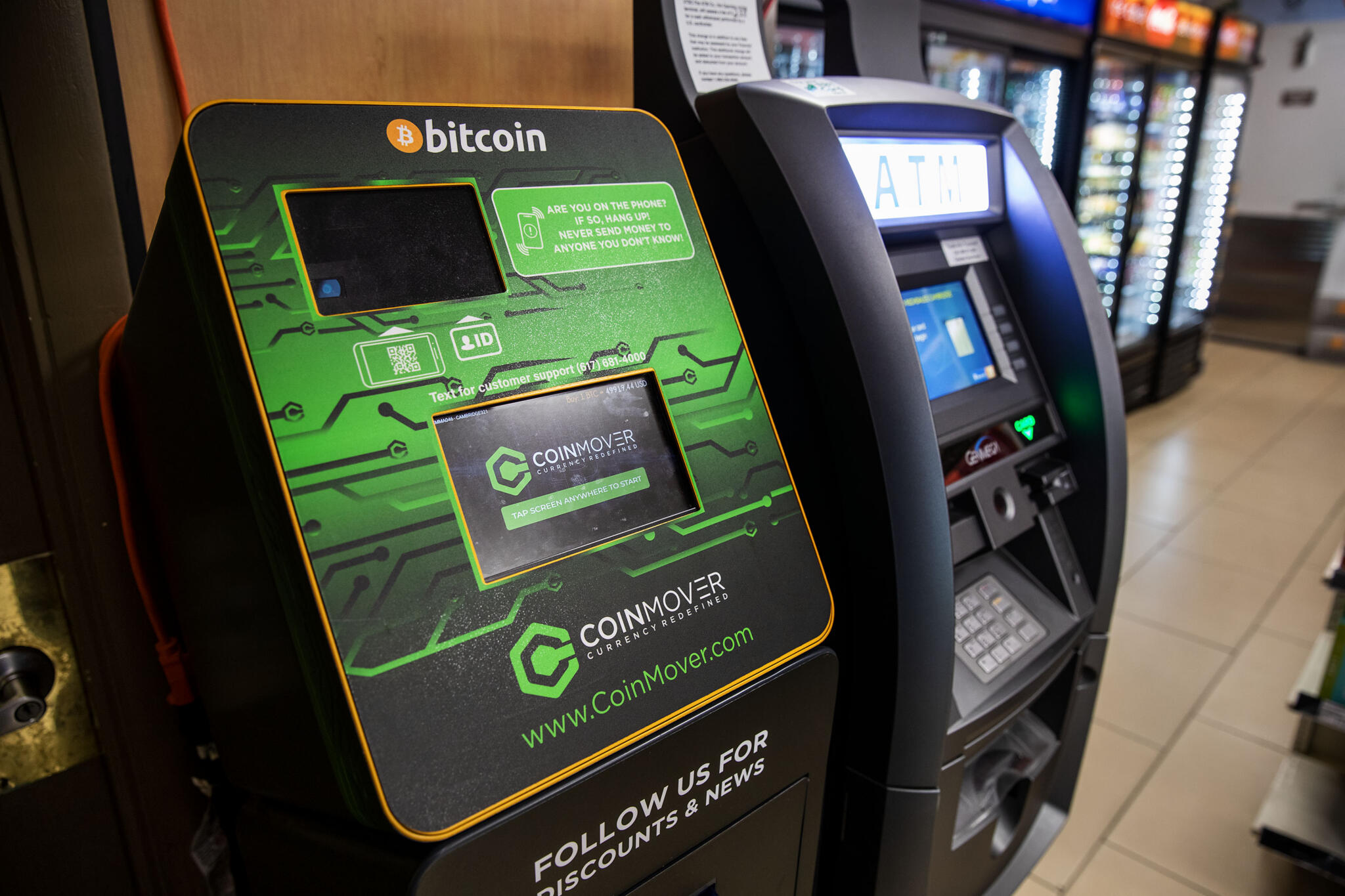
States and cities are taking steps to ban cryptocurrency kiosks across their communities. Officials are pushing for these bans because reports of fraud and scams keep growing. These local actions aim to protect ordinary residents from losing their hard-earned money.
Why are officials banning cryptocurrency kiosks?
Many local leaders worry that physical crypto machines make it too easy for criminals to steal funds. Bad actors often direct unsuspecting victims to deposit cash into these machines during phone scams. Because these transfers move fast and cannot be reversed, victims rarely get their money back.
This push highlights a growing concern over cryptocurrency and crime in everyday neighborhoods. Scammers know that digital tokens offer quick access to funds without bank teller checks. Removing or restricting the machines creates a barrier that can stop a scam before it succeeds.
What this means for local crypto users
People who rely on street-level kiosks to buy digital tokens will soon face fewer physical options. Anyone who wants to buy or sell will need to use digital platforms online instead. Here are key facts to keep in mind about this change:
- Local bans directly target walk-up cash machines found in convenience stores and gas stations.
- Scammers frequently use these machines because transactions finish fast and leave few traces.
- Users who want to trade safely can still use online platforms on their phones or computers.
For most people, using an established online service is safer than using a street kiosk anyway. Street machines usually charge very high fees compared to major digital platforms. A shift away from local kiosks could actually save regular users money on transaction costs.
What past rules tell us about the market
Government leaders have spent years trying to figure out how to handle the rise of cryptocurrency in public spaces. In the past, officials mostly let the kiosk market grow without strict local oversight. Now that losses from phone scams and fake emergencies have multiplied, local leaders feel they must act on their own.
City councils and state lawmakers have more direct control over local business permits than federal agencies do. By using zoning rules and direct bans, local governments can act much faster than national regulators. This trend shows that towns and states are no longer waiting for federal rules to protect their citizens.
What readers should watch for next
More towns and state legislatures will likely propose similar bans in the coming months. Kiosk operators might push back against these local rules to keep their machines running. Community hearings will give residents a chance to share how these machines have impacted their neighborhoods.
Anyone who owns digital tokens should stay alert to changing rules in their home area. It is always wise to double-check any request to send funds through a public kiosk. Learning how to spot suspicious payment demands remains the best defense against new scam tactics.

0 Comments